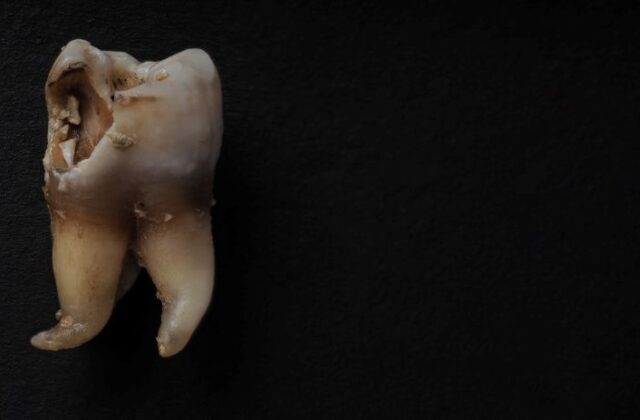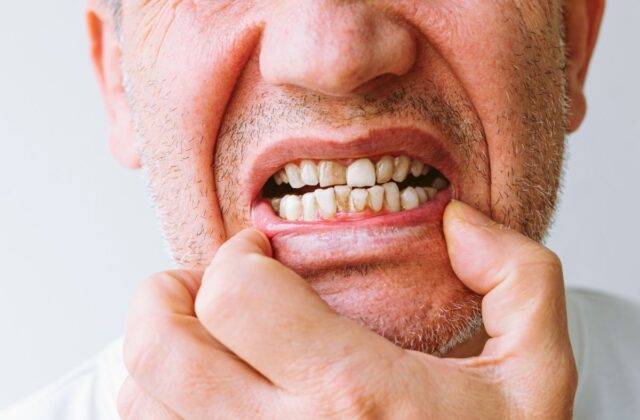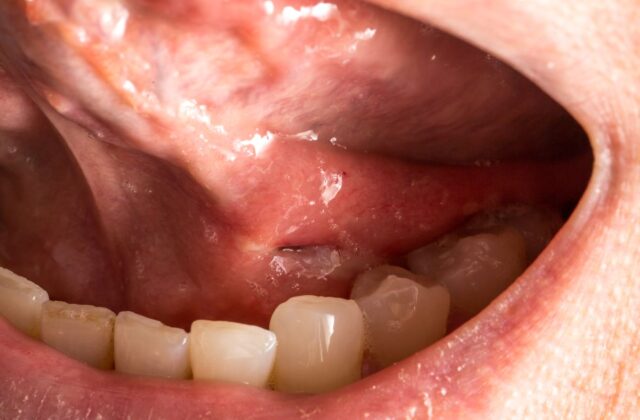
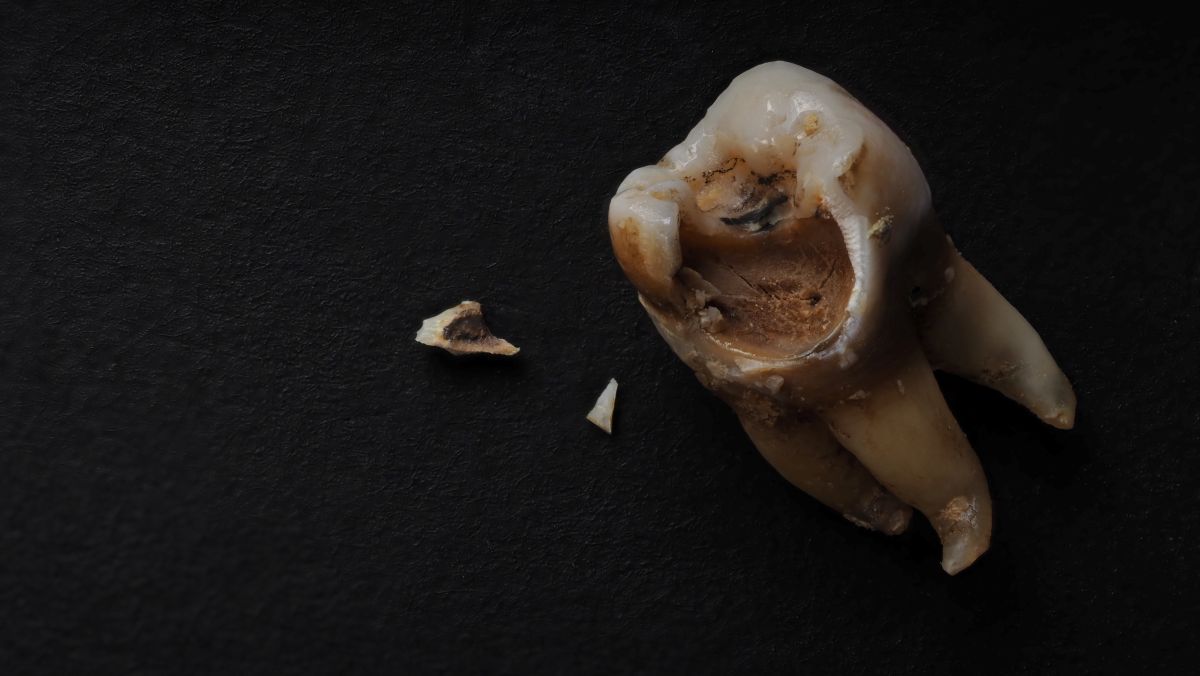
Once teeth have visibly worn down, whether from grinding, acid erosion, or years of everyday use, the question patients ask most is simple: can this actually be fixed? In most cases, yes. How to fix worn down teeth depends mainly on how much structure has been lost and what caused the wear in the first place.
At Oral Wellness Center of Charlottesville, Dr. Mark Smith evaluates both factors before recommending a path forward, because restoring the teeth without addressing the cause tends to lead to the same wear happening again.
Why the Cause Comes Before the Fix
Worn teeth from grinding need a different long-term plan than worn teeth from tooth enamel erosion caused by diet or acid reflux. Restoring the tooth surface without managing the underlying cause, whether that’s a night guard for grinding or reflux treatment, usually means the new work wears down again on the same timeline as the original damage.
How to Fix Worn Down Teeth: Restoration Options by Severity
Mild Wear: Bonding
For minor flattening or small chips, tooth-colored composite bonding is often enough. Bonding rebuilds the worn edge or surface in a single visit, is relatively conservative in terms of how much natural tooth structure is involved, and can be adjusted or touched up later if needed.
Moderate Wear: Ceramic Crowns
When wear has progressed further, especially with cracking, sensitivity, or bite changes, a crown may be the better option. Crowns cap the entire visible portion of the tooth, restoring both shape and chewing function. This is one of the most common answers to how to fix worn down teeth once bonding alone would no longer hold up under normal biting force. Learn more about this option on our restorative dentistry page.
Cosmetic Wear: Porcelain Veneers
For patients whose main concern is appearance rather than function, particularly shortened, yellowed, or uneven front teeth, veneers offer a way to rebuild the visible surface while improving the smile’s overall look. Veneers work best when the underlying bite is stable and the wear is primarily cosmetic rather than structural.
Widespread Wear: Full-Mouth Restoration
In more advanced cases, where wear affects most or all of the teeth (often from long-term grinding or reflux), a coordinated, full-mouth approach may be needed rather than fixing individual teeth one at a time. This typically starts with a full bite evaluation to understand how the teeth are wearing relative to each other.
Managing the Underlying Cause Alongside Treatment
Fixing the visible wear is only half the plan. Depending on what’s driving the damage, treatment may also include:
- A custom night guard, if grinding is the cause
- Coordination with your physician if acid reflux is involved
- Dietary changes if acidic foods and drinks are a major factor
- Professional fluoride or remineralization therapy to protect remaining enamel
For a closer look at what typically causes this kind of wear, see what causes tooth enamel erosion.
What to Expect From the Restoration Process
Most restoration plans start with a comprehensive evaluation to assess the extent of the wear, identify the cause, and determine which option, or combination of options, fits your specific case. From there, treatment can often be staged: addressing the most urgent or visible teeth first, then completing the rest of the plan over time.
Preventing Further Wear Going Forward
Restoring worn teeth is a good opportunity to also put prevention habits in place, so the new work lasts as long as possible. Our guide on how to prevent tooth enamel erosion covers the daily habits worth adopting alongside any restorative treatment.
Ready to Find Out Which Option Fits You?
Every case of tooth wear is different, and the right fix depends on how much structure has been lost and what’s causing it. Dr. Mark Smith can evaluate your teeth, explain your options in plain terms, and build a plan that restores both function and appearance. Schedule a visit to get started.