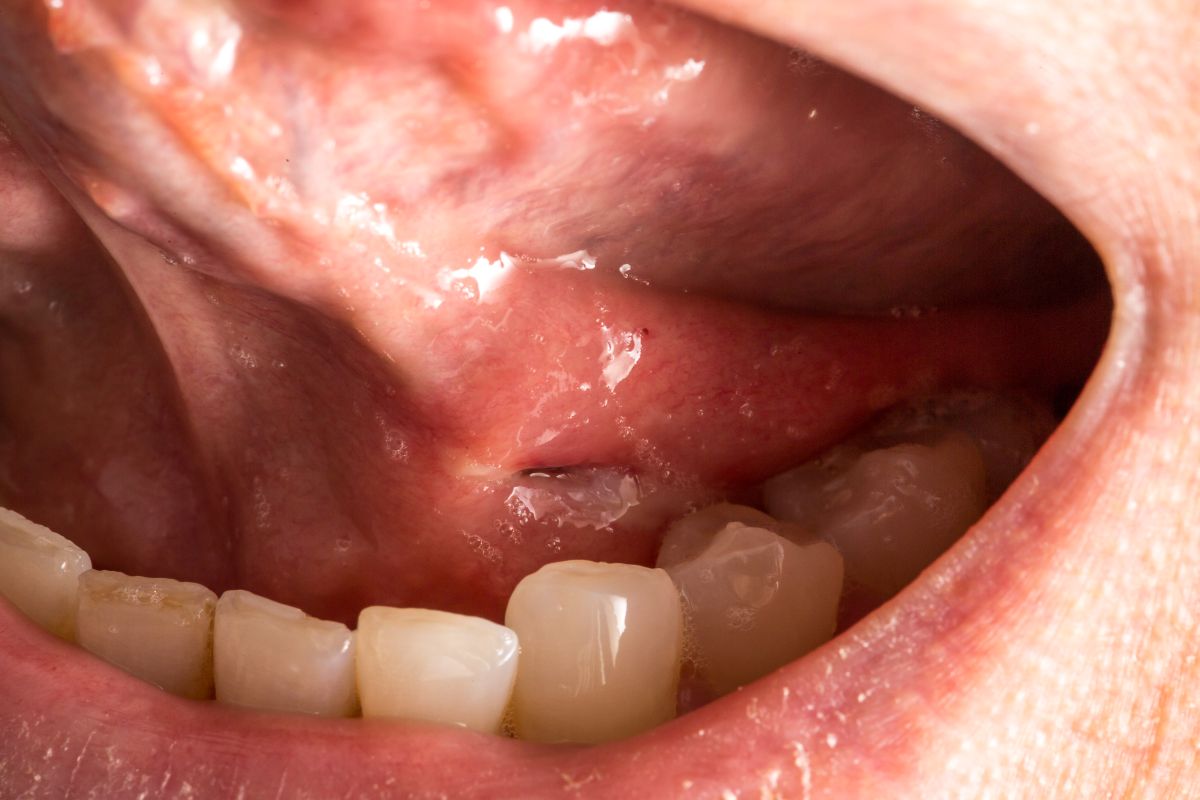
By the time most people notice their enamel is wearing away, some of that damage is already permanent. The good news is that tooth enamel erosion is largely preventable, and a handful of daily habits can make a real difference in how long your natural enamel lasts.
At Oral Wellness Center of Charlottesville, Dr. Mark Smith works with patients every week who want to know exactly what they can do, starting today, to protect their teeth. Here’s what actually helps.
Why Prevention Matters More Than Treatment
Enamel doesn’t regenerate. Once it’s gone, it’s gone for good — which is covered in more detail in our overview of tooth enamel erosion and worn down teeth. That’s what makes prevention so important: every year you slow the erosion process is a year you keep more of your original tooth structure, and a year you push back the need for bonding, crowns, or other restorative work.
1. Rethink What You’re Drinking
Acidic beverages are one of the most common, and most avoidable, contributors to enamel erosion.
Frequent culprits include:
- Soda and diet soda
- Sports and energy drinks
- Wine
- Citrus juices and lemon water
You don’t have to eliminate these entirely. Drinking them with a meal (rather than sipping slowly throughout the day), using a straw to limit contact with your front teeth, and rinsing with plain water afterward all reduce the acid exposure your enamel absorbs.
2. Wait Before You Brush
This one surprises most patients: brushing immediately after eating or drinking something acidic can actually make things worse.
Acid temporarily softens the outer layer of enamel. Brushing during that window can brush away enamel that would otherwise have re-hardened on its own. Dentists generally recommend waiting at least 30 minutes after acidic foods or drinks before brushing.
3. Switch to a Soft-Bristled, Low-Abrasive Routine
Aggressive brushing, hard-bristled brushes, and highly abrasive whitening toothpastes all accelerate enamel wear over time.
A gentler approach protects enamel without sacrificing a clean feeling:
- Use a soft-bristled toothbrush
- Choose a toothpaste formulated for sensitivity or enamel protection
- Brush with light pressure, letting the bristles do the work rather than pressing hard
4. Address Teeth Grinding
Grinding or clenching, especially overnight, is one of the most damaging causes of enamel loss and worn teeth — often without the person realizing it’s happening.
Signs to watch for include morning jaw soreness, headaches, or a partner noticing the sound at night. A custom night guard is one of the most effective ways to stop this kind of mechanical wear, and it’s a conversation worth having at your next visit if any of these signs sound familiar.
5. Manage Acid Reflux
Acid reflux (GERD) exposes teeth to stomach acid, often without any obvious digestive symptoms. In some cases, a dentist notices the enamel wear pattern before a patient has been diagnosed with reflux at all.
If you already know you have reflux, treating it in coordination with your physician protects your enamel just as much as it protects your esophagus. If you don’t have a diagnosis but notice unexplained enamel wear, it’s worth mentioning to both your dentist and your doctor.
6. Stay Hydrated
Saliva is your mouth’s natural defense system. It neutralizes acid and helps redeposit minerals back into enamel through remineralization.
A dry mouth, whether from dehydration, certain medications, or sleeping with your mouth open, reduces that natural protection. Drinking enough water throughout the day supports healthy saliva flow and gives your enamel a better chance to recover from everyday acid exposure.
7. Ask About Fluoride and Remineralization
Professional fluoride treatments and remineralization agents help strengthen enamel that has started to weaken but hasn’t fully eroded yet. This is one of the few windows where intervention can meaningfully slow, or even partially reverse, early enamel softening before permanent loss occurs.
This is typically discussed as part of a comprehensive evaluation, where wear patterns can be caught early.
8. Keep Up With Regular Dental Visits
Enamel erosion happens gradually, which is exactly why it’s easy to miss on your own. Regular preventative care visits allow your dentist to catch early wear patterns, sensitivity, or thinning enamel long before you’d notice changes yourself.
When Prevention Isn’t Enough
If enamel loss or tooth wear has already progressed, prevention alone won’t reverse the damage. At that point, the conversation shifts from protecting what you have to restoring what you’ve lost. Our guide on how to fix worn down teeth walks through what restoration actually involves, and how dentists treat tooth enamel erosion covers treatment options by severity.
Start With an Evaluation
The most reliable way to know whether your prevention habits are working is to have your enamel and bite evaluated directly. If you’re noticing sensitivity, visible wear, or you simply want a baseline check, Dr. Mark Smith can assess your enamel, flag any early warning signs, and help you build a prevention plan suited to your specific habits and risk factors. Schedule a visit to get started.