Most people expect a few wrinkles and gray hairs as they get older. What many don’t expect is tooth enamel erosion, too.
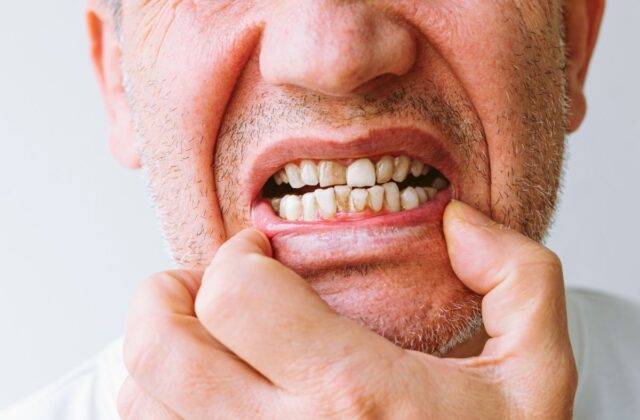
If you’ve noticed your teeth looking shorter, flatter, more yellow, or becoming increasingly sensitive, you may be experiencing tooth enamel erosion or age-related tooth wear. While this process is common, it isn’t something you simply have to accept.
At Oral Wellness Center of Charlottesville, Dr. Mark Smith helps patients identify why their teeth are wearing down and develop worn teeth restoration plans that restore both function and appearance before the damage becomes more severe.
What Is Tooth Enamel Erosion?
Tooth enamel is the hard, protective outer layer that covers every tooth. Although it’s the strongest substance in the human body, it isn’t indestructible.
Over time, acids, friction, and everyday use gradually wear enamel away. Unlike skin or bone, enamel cannot regenerate once it’s lost.
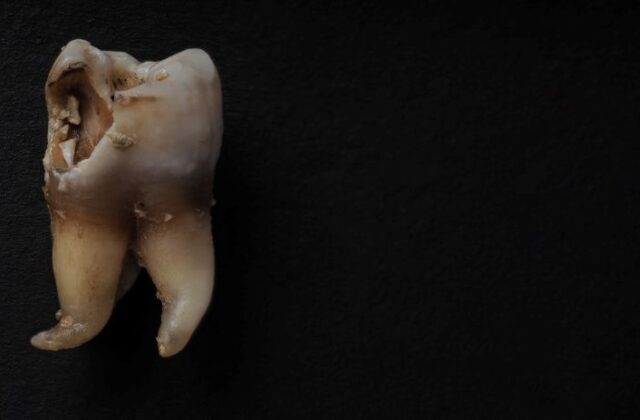
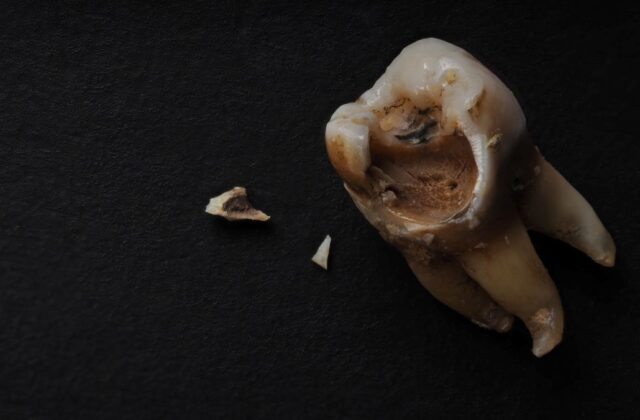
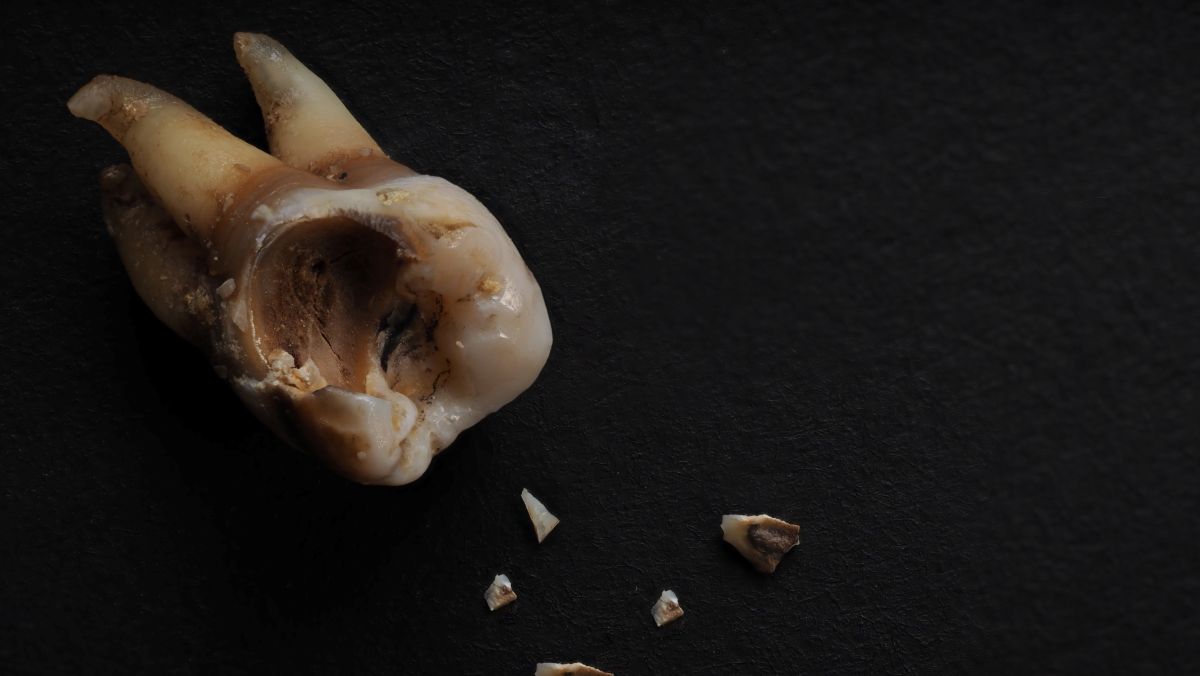
As enamel becomes thinner, the softer dentin underneath becomes exposed. This often causes teeth to appear darker, feel more sensitive, and become more vulnerable to cracks and fractures.
What Causes Tooth Enamel Erosion and Worn Down Teeth?
Many people assume aging alone causes worn teeth. In reality, several factors usually work together over decades. (For a closer look at each of these, see What Causes Tooth Enamel Erosion.)
Teeth Grinding (Bruxism)
Many adults grind or clench their teeth while sleeping without realizing it.
This constant pressure slowly flattens chewing surfaces, creates small fractures, and accelerates enamel wear.
Morning jaw soreness, headaches, or chipped teeth can all be warning signs.
Acidic Foods and Drinks
Frequent exposure to acidic beverages can gradually dissolve enamel.
Common culprits include:
- Soft drinks
- Sports drinks
- Citrus fruits
- Wine
- Energy drinks
Even healthy foods can contribute to enamel erosion when consumed frequently throughout the day.
Acid Reflux (GERD)
One of the most overlooked causes of tooth enamel erosion is acid re flux.
When stomach acid repeatedly reaches the mouth, it can slowly dissolve enamel, particularly on the inside surfaces of the teeth.
In many cases, a dentist may notice signs of re flux before patients experience significant digestive symptoms.
Everyday Wear
Every bite, every meal, and every year adds a little more wear to your teeth.
While this natural aging process is expected, excessive wear is not.
Signs of Tooth Enamel Erosion and Worn Down Teeth
Because enamel erosion happens gradually, many people don’t notice it until significant damage has already occurred.
Common symptoms include:
- Teeth appearing shorter
- Flattened biting edges
- Increased tooth sensitivity
- Small chips or cracks
- Yellowing teeth
- Rough edges
- Pain while chewing
- Frequent need for dental repairs
If you’re noticing several of these changes, it’s worth scheduling an evaluation before the damage progresses.
Why Worn Teeth Matter
Tooth wear is much more than a cosmetic issue.
As enamel disappears, teeth become weaker and more susceptible to:
- Fractures
- Cavities
- Tooth sensitivity
- Bite changes
- Difficulty chewing
- Larger and more expensive dental treatment later
The earlier tooth wear is identified, the more conservative treatment can often be.
How Dentists Treat Tooth Enamel Erosion
Treatment depends on both the severity of the wear and what’s causing it.
For mild enamel erosion, the goal is often to stop further damage while preserving healthy tooth structure.
For more advanced cases, treatment may involve worn teeth restoration to rebuild teeth and restore proper function and appearance. (See How to Treat Tooth Enamel Erosion for a full breakdown of options by severity.)
How to Fix Worn Down Teeth: Restoration Options
Depending on your needs, Dr. Smith may recommend:
- Custom night guards for teeth grinding
- Professional fluoride or remineralization therapies
- Dietary modifications
- Treatment for acid re flux in coordination with your physician
- Tooth-colored bonding
- Ceramic crowns via restorative dentistry
- Porcelain veneers
- Comprehensive worn teeth restoration
Every treatment plan begins with identifying the underlying cause. Simply repairing the teeth without addressing why they wore down often leads to recurring problems. (For more detail on this step, read How to Fix Worn Down Teeth.)
Can Tooth Enamel Grow Back?
This is one of the most common questions patients ask.
Unfortunately, once enamel is lost, your body cannot replace it.
However, early enamel weakening can sometimes be strengthened through remineralization before significant loss occurs.
For areas where enamel has already disappeared, modern restorative dentistry can rebuild damaged teeth and help protect them from further wear.
How to Prevent Tooth Enamel Erosion
While some age-related wear is unavoidable, there are several ways to slow the process. (See our full guide, How to Prevent Tooth Enamel Erosion, for the complete list of daily habits and warning signs to watch for.)
Good habits include:
- Brushing gently with a soft-bristled toothbrush
- Using a low-abrasive toothpaste
- Limiting acidic drinks
- Drinking water after acidic meals
- Waiting at least 30 minutes to brush after consuming acidic foods
- Wearing a custom night guard if you grind your teeth
- Visiting your dentist regularly for preventative care and cleanings
Small changes today can help preserve your smile for years to come.
What Restoring Worn Down Teeth Gives You Beyond a Better Smile
Many patients seek treatment because they’re unhappy with how their smile looks.
What they often discover is that restoring worn teeth also improves:
- Chewing efficiency
- Speech
- Bite comfort
- Tooth sensitivity
- Facial support
- Overall confidence
When teeth are rebuilt properly, patients frequently comment that they feel like they’ve gotten their smile, and their quality of life, back.
When Should You See a Dentist About Enamel Erosion?
If your teeth seem to be getting shorter, flatter, more sensitive, or increasingly worn, don’t assume it’s simply part of getting older.
While age contributes to normal wear, excessive tooth enamel erosion is often the result of treatable conditions like grinding, acid re flux, or bite problems.
The sooner these issues are identified, the more options you’ll have for preserving your natural teeth.
If you’re concerned about tooth enamel erosion or worn teeth, Dr. Mark Smith can evaluate your smile, determine what’s causing the damage, and recommend the most conservative worn teeth restoration plan for your oral health.