
Searching for prices often yields a wide range with little explanation. However, How Much Do Veneers Cost depends on your specific case and several factors. This article walks through what drives that number, without promising a single figure for everyone.
Why There’s No Single Answer
Two patients can both want How Much Do Veneers Cost, yet end up with different treatment plans. Additionally, they have different timelines and overall costs because the term covers a wide scope.
- One tooth versus a full smile. A single chipped front tooth is a fundamentally different project than reshaping eight visible teeth.
- Material choice. Porcelain and composite are priced very differently, for reasons we cover in what veneers are made of — porcelain involves lab fabrication and a second appointment; composite is built chair-side in a single visit.
- How much correction is needed. Minor shade or shape adjustments cost less in time and material than fully rebuilding a worn or significantly misaligned tooth.
- Whether prep work is needed first. If there’s decay, gum inflammation, or a bite issue that needs addressing before a veneer goes on, that’s additional treatment on top of the veneer itself.
- Where you’re located and who’s doing the work. Cost of living, lab fees, and a provider’s specific training all factor into regional pricing differences.

A Single Tooth vs. a Full Smile: Why the Scope Matters So Much
A common question we hear is what would it cost to fix just my two front teeth? However, it’s a genuinely different project from a full upper arch of eight veneers. That’s why the difference is bigger than simply fewer teeth or a lower total.
A one- or two-tooth case usually involves matching a new veneer to teeth that already exist on either side — which sometimes takes more precision, not less, since a mismatched shade or shape on a single tooth is more noticeable than slight variation across a full symmetrical set. A full-smile case, on the other hand, gives more control over uniformity since every visible tooth is being treated together, but obviously involves more total material, more chair time, and often more planning upfront.
Neither is inherently “cheaper per tooth” in a way you can predict without a look at the actual case — which is exactly why we don’t ballpark a number over the phone.
Why We Don’t Quote a Price Without an Exam
Any number you see online reflects someone else’s case, not necessarily yours.
Moreover, the question How Much Do Veneers Cost varies by case and context.
Quoting a price before examining your teeth is guessing, and that guess can be right or wrong.
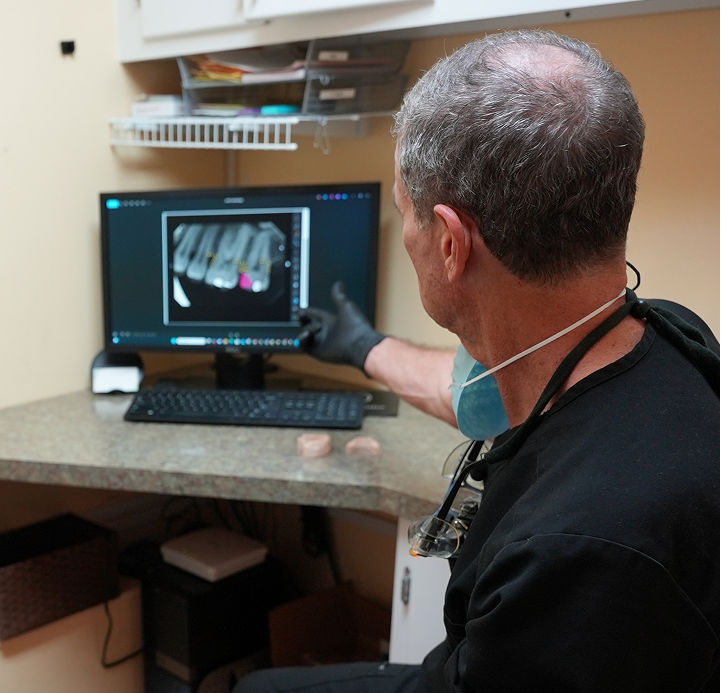
We walk through your specific situation as part of a comprehensive evaluation.
Therefore, we give you a real number based on what your teeth actually need, not an average.
Insurance: What’s Actually Realistic to Expect
Because veneers are typically considered a cosmetic procedure, dental insurance usually doesn’t cover them — that’s worth knowing upfront so it doesn’t come as a surprise partway through planning. A few more specific realities worth knowing:
- Purely cosmetic cases are almost never covered. If the goal is changing the appearance of an otherwise healthy tooth, most dental insurance plans exclude it outright, the same way they exclude teeth whitening.
- There are narrow exceptions. If a veneer is being used to restore a tooth that’s fractured or damaged from an accident, rather than purely for appearance, some plans may offer partial coverage — though this is decided case by case and isn’t something to count on without checking your specific policy first.
- Ask directly, rather than assuming either way. Whether your plan covers any portion is a question for your insurance provider, and we’re happy to help you understand what a treatment plan and cost breakdown would look like to submit to them if there’s any chance of partial reimbursement.
Financing: The More Realistic Path for Most Patients
Because insurance usually isn’t in the picture, financing is where most patients actually make the cost workable. Additionally, options that are common in dentistry generally include:
- In-house payment plans, where the total cost is split into scheduled payments directly with the practice.
- Third-party medical financing, healthcare-specific credit lines that let you pay over time, often with a promotional interest-free period for qualifying applicants.
- Phased treatment, where a full-smile case is deliberately broken into stages — treating a few teeth now and the rest later — to spread out both the cost and the time commitment.
If cost is a barrier, it’s worth asking directly what’s available rather than assuming there are no options. Most practices, including ours, would rather have that conversation upfront than have cost be the reason someone puts off care they actually want.
Why Chasing the Absolute Lowest Price Can Cost You More
It’s worth addressing directly: searches for “cheap veneers” turn up a lot of options, including consumer products that aren’t placed by a dentist at all — snap-on or clip-on veneer kits ordered online, for instance. These are a fundamentally different category from a professionally fitted veneer, not just a lower-cost version of the same thing. They’re not bonded to your teeth the way a real veneer is, aren’t customized to your bite, and aren’t a substitute for a professional evaluation of what your teeth actually need.
That doesn’t mean the least expensive professional option is automatically the wrong choice — composite veneers, for instance, are a legitimately more affordable path for the right case, not a corner-cutting one. The distinction that matters is between “affordable and appropriate for your case” and “cheapest possible, regardless of fit.”
The Real Question to Ask
Instead of “how much do veneers cost,” a more useful question going into a consultation is: “what would my specific case actually require?” That re-frames the conversation around your teeth, not a number pulled from a search result — or a national average — that may not apply to you at all.
Where to Go From Here
Material choice is one of the biggest cost factors, and also one of the most consequential decisions in the whole process. Here’s how porcelain, composite, and other veneer materials actually compare — worth understanding before your first visit, so the cost conversation makes sense in context.